

If you are anything like the average individual, there is something uniquely fascinating about watching professional athletes showcase their extraordinary talent, skills and strengths as they are the modern-day version of Gladiators. But that also presents an interesting question that most people don’t think about: what about when these athletes get injured? What benefits are they entitled to?
Are professional athletes subject to specific rules or regulations within the workers’ compensation system? While they are evaluated under the standard workers’ compensation framework applicable to all injured workers, sports injury claims present distinct legal complexities, particularly concerning subject matter jurisdiction.
Causation and Jurisdiction
In claims involving professional sports, establishing causation and injury arising out of and occurring in the course of employment (AOE/COE) rarely constitutes the primary obstacle, as physical injuries are generally anticipated over a professional athletic career.
Instead, the principal legal issue centers on establishing proper state jurisdiction.
Key evidentiary factors include the locations where the athlete trained and competed, the total number of games played, the jurisdictions in which injuries were sustained or medical treatment was provided, the athlete’s contacts with the state of California, and the involvement of other states. Once subject matter jurisdiction is established in California, standard workers’ compensation laws govern the claim.
Determining the proper forum often depends on how and where athletic contracts are executed. Athletes frequently sign contracts—either independently or through an agent—in their home state or in the state where the team is based. Jurisdictional issues arise when a California-based athlete signs with an out-of-state franchise, works with a non-California agent, and competes in at least three games outside of California. For instance, if a football player competes in California but executed his contract, conducted training, maintained an agent, and played most of his games in Chicago, Illinois, jurisdiction would likely fall under Illinois Workers’ Compensation law rather than California’s.
Statutory limits further govern cumulative trauma (CT) claims. Under Labor Code Section 3600.5(c)(3), an athlete hired out of state who performed less than 20% of their duty days (defined as performing services under the employer’s direction and control pursuant to contract) for a California employer during the 365 days preceding their last day of work is barred from pursuing a CT claim in California. Previously, the WCAB interpreted Labor Code Section 3600.5(c)/(d) more broadly, holding that being hired in California by at least one employer was sufficient to establish California jurisdiction.
The CT doctrine is why athletes have been so eager to file in California. Why? California is the only state in the country with a cumulative trauma doctrine that is easily-applicable to sports claims.
Recent Case Law: The Gandy Decision
A pivotal 2025 ruling reshaped how jurisdictional requirements are applied in these matters. In Atlanta Falcons v. WCAB (Gandy) (2025) 114 Cal. App. 5th 1268, the Court of Appeal determined that California did not have jurisdiction over Wayne Gandy’s claims. In that case, the high court analyzed LC 3600.5(c) and (d).
LC 3600.5(c) bars cumulative trauma (CT) claims where:
- The athlete was hired outside of California
- The athlete performed less than 20% of their duty days in California
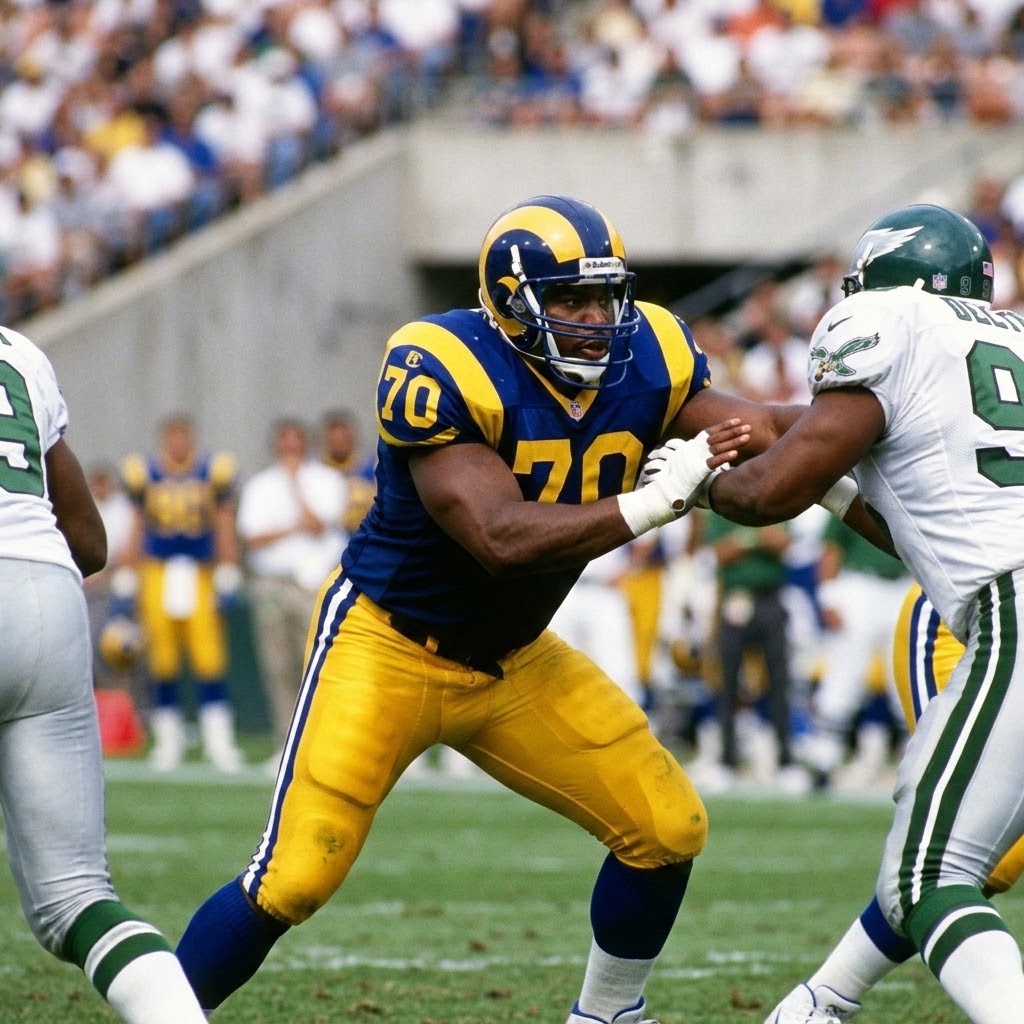
Gandy’s case was interesting because he had multiple contracts of hire during his career – one with the Los Angeles Rams at the start of his career, then subsequent contracts with out-of-state teams for the remainder of his career. That led the appellate court to consider LC 3600.5(d), noting that statute applies to players who sign with a California team, but then move onto playing for other teams throughout their career.
Labor Code Section 3600.5(d) has a two-prong test, which requires players to:
- Establish that they spent at least two seasons or at least 20% of their total playing time in California; and
- Establish that they spent fewer than seven seasons playing for non-California teams.
By reinforcing these dual requirements, the Gandy decision reinforces the original statutory intent of Labor Code Section 3600.5: to restrict long-term cumulative trauma claims brought by professional athletes with minimal California contacts.
Discovery and QME Panels
Many sports claims are initially denied, which leads the parties to conduct discovery. Due to the difficulty in obtaining medical records on older sports claims, there is often limited discovery available in the form of medical records, reports, or diagnostics.
Heavy reliance is therefore placed on qualified medical evaluator (QME) reports, which must frequently evaluate causation retroactively, as many athletes present with injuries decades after concluding their athletic careers. Unlike standard workers’ compensation claims, which may involve an indefinite number of QME panels or agreed medical evaluator (AME) physicians throughout the claims process, sports claims typically utilize only three specific QME panels: orthopedic, neurology, and internal medicine. The standard QME panel selection process is followed, and evaluations are scheduled with all three specialists to assess the applicant.
Jessica E. Bair is an associate attorney at Bradford and Barthel’s San Jose office. If you have questions about workers’ compensation defense issues, please feel free to contact Jessica at 408.392.8202 or via email at jbair@bradfordbarthel.com.
Viewing this website does not form an attorney/client relationship between you and Bradford & Barthel, LLP or any of its attorneys. This website is for informational purposes only and does not contain legal advice. Please do not act or refrain from acting based on anything you read on this site. This document is not a substitute for legal advice and may not address every factual scenario. If you have a legal question, we encourage you to contact your favorite Bradford & Barthel, LLP attorney to discuss the legal issues applicable to your unique case. No website is entirely secure, so please be cautious with information provided through the contact form or email. Do not assume confidentiality exists in anything you send through this website or email, until an attorney/client relationship is formed.