

The Workers’ Compensation Appeals Board issued a new en banc decision making it easier for parties to have witnesses testify at trial via videoconferencing software.
The name of the en banc decision is Perez v. Chicago Dogs, and the board issued it on Aug. 12, 2025, with a brief revision to fix a clerical error two days later. In the decision, the WCAB determined that an oral, on-the-record request to present remote witness testimony at the start of a hearing may satisfy procedural requirements, particularly where the denial of testimony would impair a party’s constitutional right to due process.
The ruling gives defense attorneys a practical and flexible avenue for preserving evidentiary rights in cases involving threshold legal issues like personal jurisdiction.
PROCEDURAL HISTORY
Former professional baseball pitcher Tyson Perez filed a cumulative trauma workers’ compensation claim in California, alleging injuries sustained over his playing career from 2011 to 2022, including during a short stint with the Chicago Dogs in 2018. The Chicago Dogs, an independent professional baseball team based in Illinois, challenged California’s jurisdiction, arguing they had no operations or games in the state.
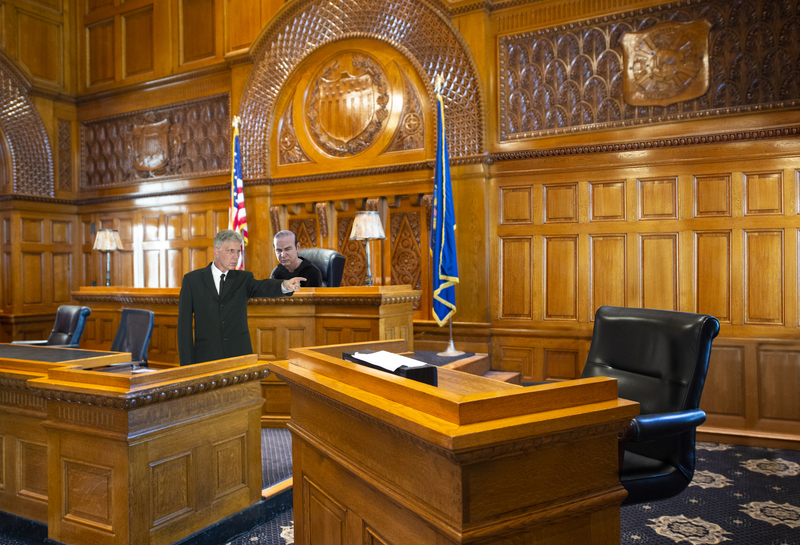
At trial, the judge barred testimony from the team’s Chief Operating Officer who was prepared to testify remotely that the team had no minimum contacts with California. The judge denied the remote testimony because the defense had not filed a required written petition in advance, as required under WCAB Rule 10817(a).
ON RECONSIDERATION
The WCAB granted the Chicago Dogs’ petition for reconsideration, finding that excluding the testimony raised due process concerns, and that an oral request at the beginning of the hearing may be sufficient when a witness is material and opposing parties are given the chance to respond.
ANALYSIS
Under WCAB Rule 10817(a), remote testimony generally requires a written petition showing good cause, filed before the hearing. But the Appeals Board found that strict enforcement of this requirement cannot override a party’s right to a fair hearing when material evidence is at stake. In Perez, the defense was barred from presenting telephonic testimony from a key witness whose affidavit had been served months in advance. The judge denied the request because no formal petition was filed. The Board determined that due process may require a more flexible interpretation.
The Board concluded that a verbal request on the record, at the beginning of the hearing, along with an opportunity for response by opposing parties, could satisfy the rule’s intent. This approach ensures the proceedings remain focused on substance rather than technical compliance, especially when critical testimony is involved.
TAKEAWAYS
Here are some pointers that parties can take away from the en banc decision:
- Make your request early and clearly on the record. If a witness cannot appear in person, state the reason and request remote testimony at the outset of the hearing. Ideally, file a pleading.
- Cite due process. Frame your request in constitutional terms, particularly where the witness is central to defending against jurisdiction, liability, or exposure.
- Be ready to address objections. While an oral request may suffice, be prepared to show why the testimony is material and why in-person attendance is impractical.
- Document disclosure. Ensure your witness has been properly listed in pretrial conference statements and any affidavits or written declarations have been served.
- Do not assume waiver. Even if opposing counsel fails to object to the witness in advance, you still need to preserve your request at the hearing itself.
The Perez decision signals that the WCAB will prioritize adjudicating claims on their merits over enforcing rigid procedural defaults. For defense attorneys, this creates a potential safeguard when formal steps are missed, but material evidence remains essential..
Michael D. Peabody is an experienced partner and workers’ compensation attorney for Bradford and Barthel’s Woodland Hills office. He has testified in legislative committees in California and Oregon and is an active member of the California and US Supreme Court bars. If you have questions about workers’ compensation issues, please feel free to contact him at mpeabody@bradfordbarthel.com.
Viewing this website does not form an attorney/client relationship between you and Bradford & Barthel, LLP or any of its attorneys. This website is for informational purposes only and does not contain legal advice. Please do not act or refrain from acting based on anything you read on this site. This document is not a substitute for legal advice and may not address every factual scenario. If you have a legal question, we encourage you to contact your favorite Bradford & Barthel, LLP attorney to discuss the legal issues applicable to your unique case. No website is entirely secure, so please be cautious with information provided through the contact form or email. Do not assume confidentiality exists in anything you send through this website or email, until an attorney/client relationship is formed.