

The California Assembly Insurance Committee approved a number of bills that could be headed to Gov. Gavin Newsom’s desk in mid-September, including a bill that would limit the subrogation rights of cities and counties.
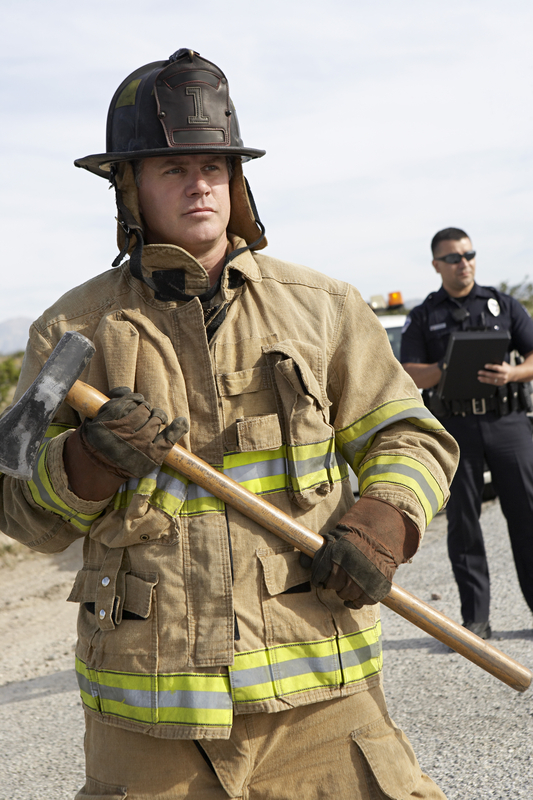
The committee approved Senate Bill 487, by Sen. Tim Grayson (D-Concord) during it’s July 17 meeting. This bill would ensure that police officers and firefighters receive no less than two-thirds of a third-party defendant’s liability insurance policy limit when the following criteria are met:
- Their damages in the third-party suit exceed the net amount recoverable after satisfying the employer’s lien for workers’ compensation payments;
- And the third-party defendant’s total liability insurance limits are too low to fully compensate all damages.
The bill now has to be approved by the Senate Appropriations Committee before proceeding to a full vote in the Senate. After that, the Senate and Assembly may conference to resolve any conflicting language each legislative house had on the bill.
Lawmakers have until Sept. 12 to send the bill to Gov. Gavin Newsom’s desk. Once it is sent to the governor, he has until Oct. 12 to sign or veto the bill.
The committee also approved other bills during its July 17 meeting, including:
SB 447: This bill permits minor dependents of deceased firefighters, peace officers, and Sheriff’s special officers of Orange County to remain on their parent’s group health insurance through the age of 26. Current law only allows them to remain on their parent’s insurance until age 21.
SB 847: This bill authorizes the Administrative Director of the Division of Workers’ Compensation the power to investigate and determine whether an uninsured employer tried to hide real property after a work-related injury. The bill also includes substantial shareholders. The intent of the bill is aimed at allowing the DWC to attach liens to property transferred by uninsured employers.
SB 291: This bill would mandate that the Contractors State License Board take new action against contractors who violate workers’ compensation requirements. For instance, the bill calls for a minimum $10,000 civil penalty for any sole owner licensee found to have employed workers without maintaining workers’ compensation coverage, and would make conforming changes. It also prohibits reinstatement of a license of offending contractors until they have provided a valid certificate of insurance, whether it be workers’ compensation insurance or self-insurance. Lastly, the bill requires that the board report the number of disciplinary actions for violating workers’ compensation insurance provisions.
The bills are now headed to the California Assembly Appropriations Committee. We at the Law Offices of Bradford and Barthel will continue to post legislative updates throughout the 2025 legislative session.
Got a question about workers’ compensation defense issues or pending litigation? Feel free to contact John P. Kamin. Mr. Kamin is a workers’ compensation defense attorney and partner at Bradford & Barthel’s Woodland Hills location, where he monitors the recent legislative affairs as the firm’s Director of the Editorial Board. Mr. Kamin previously worked as a journalist for WorkCompCentral, where he reported on work-related injuries in all 50 states. Please feel free to contact John at jkamin@bradfordbarthel.com or at (818) 654-0411.
Viewing this website does not form an attorney/client relationship between you and Bradford & Barthel, LLP or any of its attorneys. This website is for informational purposes only and does not contain legal advice. Please do not act or refrain from acting based on anything you read on this site. This document is not a substitute for legal advice and may not address every factual scenario. If you have a legal question, we encourage you to contact your favorite Bradford & Barthel, LLP attorney to discuss the legal issues applicable to your unique case. No website is entirely secure, so please be cautious with information provided through the contact form or email. Do not assume confidentiality exists in anything you send through this website or email, until an attorney/client relationship is formed.